








Covid has shaken up the work culture on countless levels. Employees have dispersed across the globe, are working remotely and some employees have been onboarded without meeting anyone in person. One thing is for certain, we will not be returning to the same “normal” as BC (Before Covid).
Offices used to be the hub for meetings, innovation, culture development and relationship building. Hybrid and remote teams will need a new way to address these fundamental needs. And let’s all face it, a Zoom call will simply never fully replace the impact of an in-person interaction.
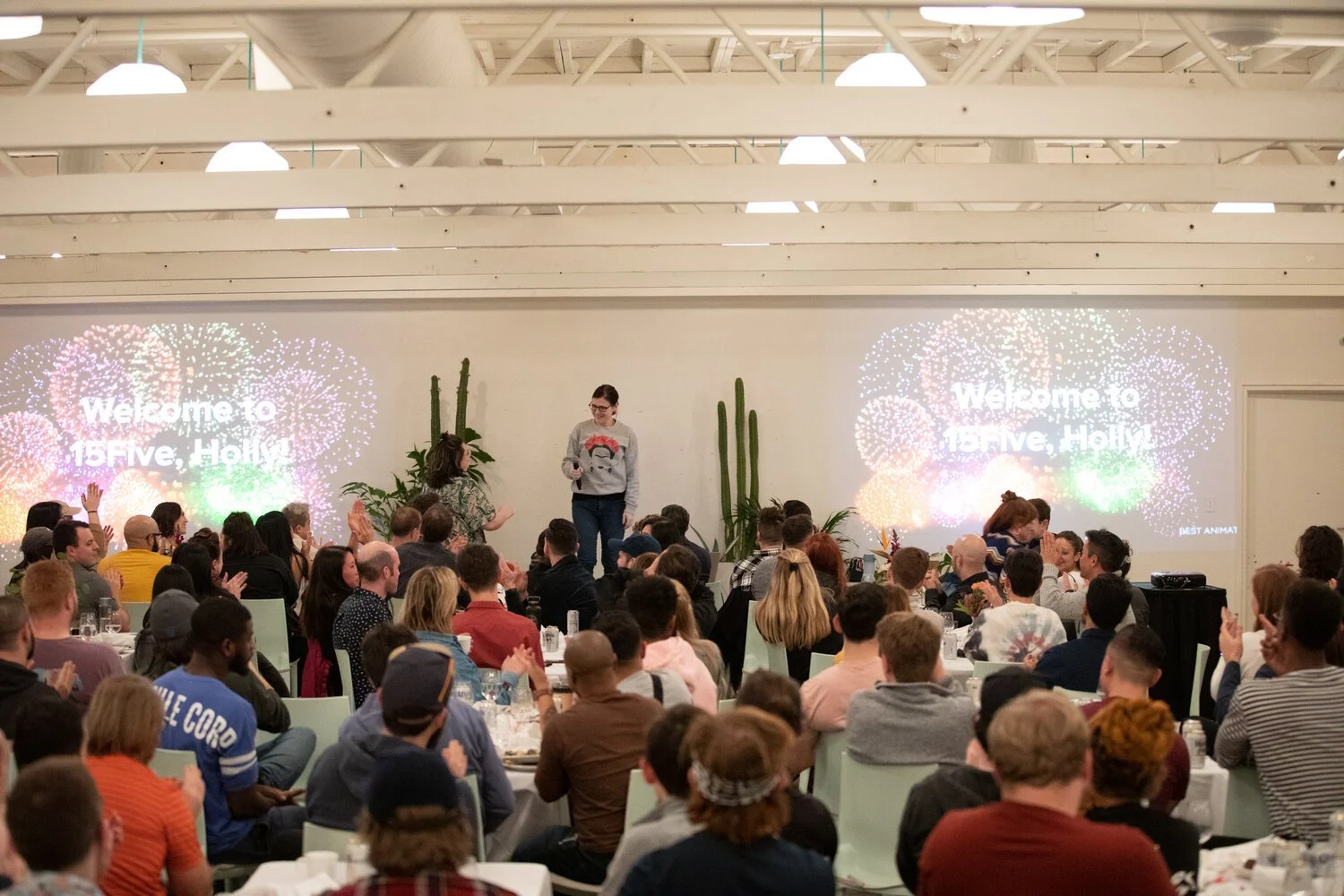
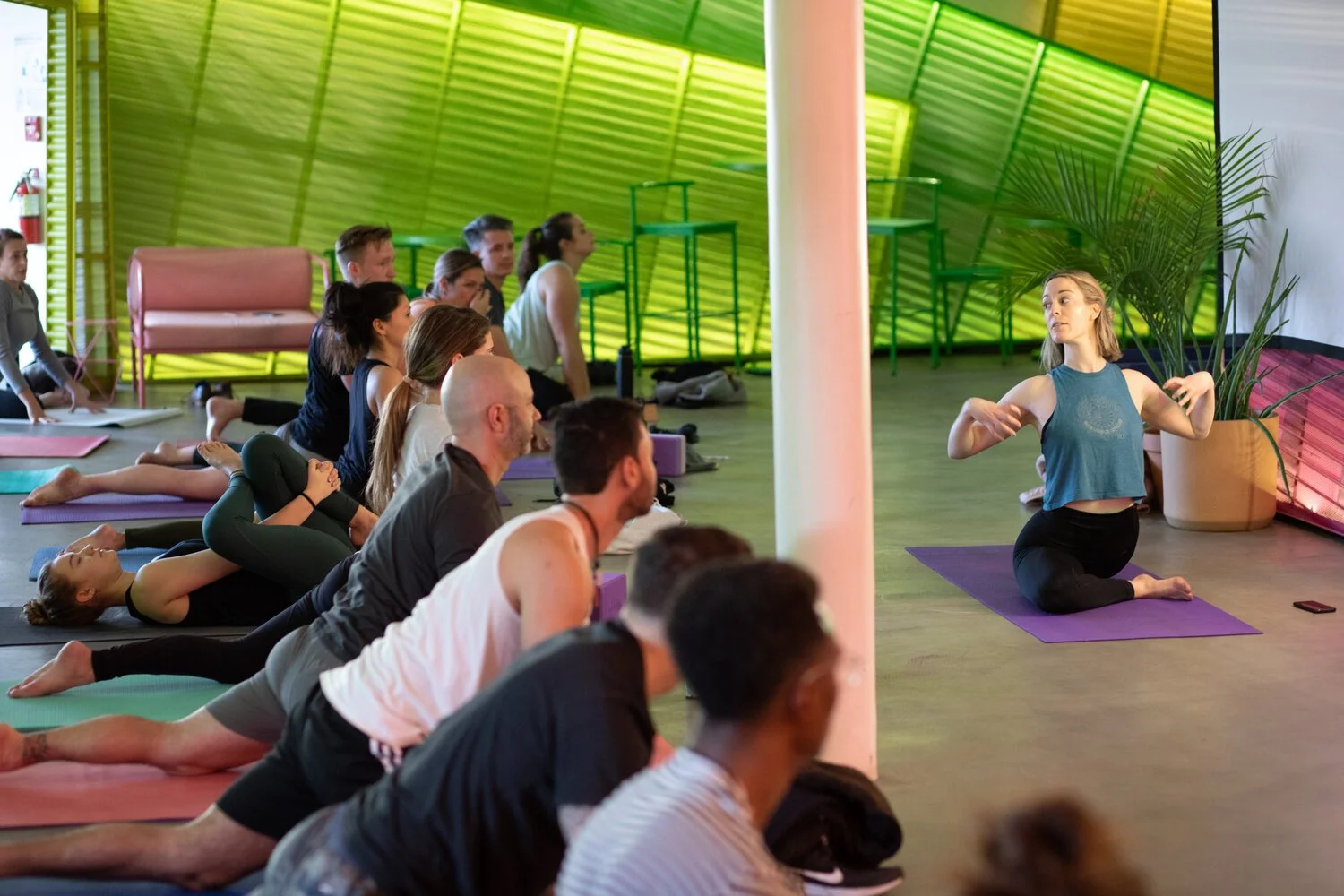
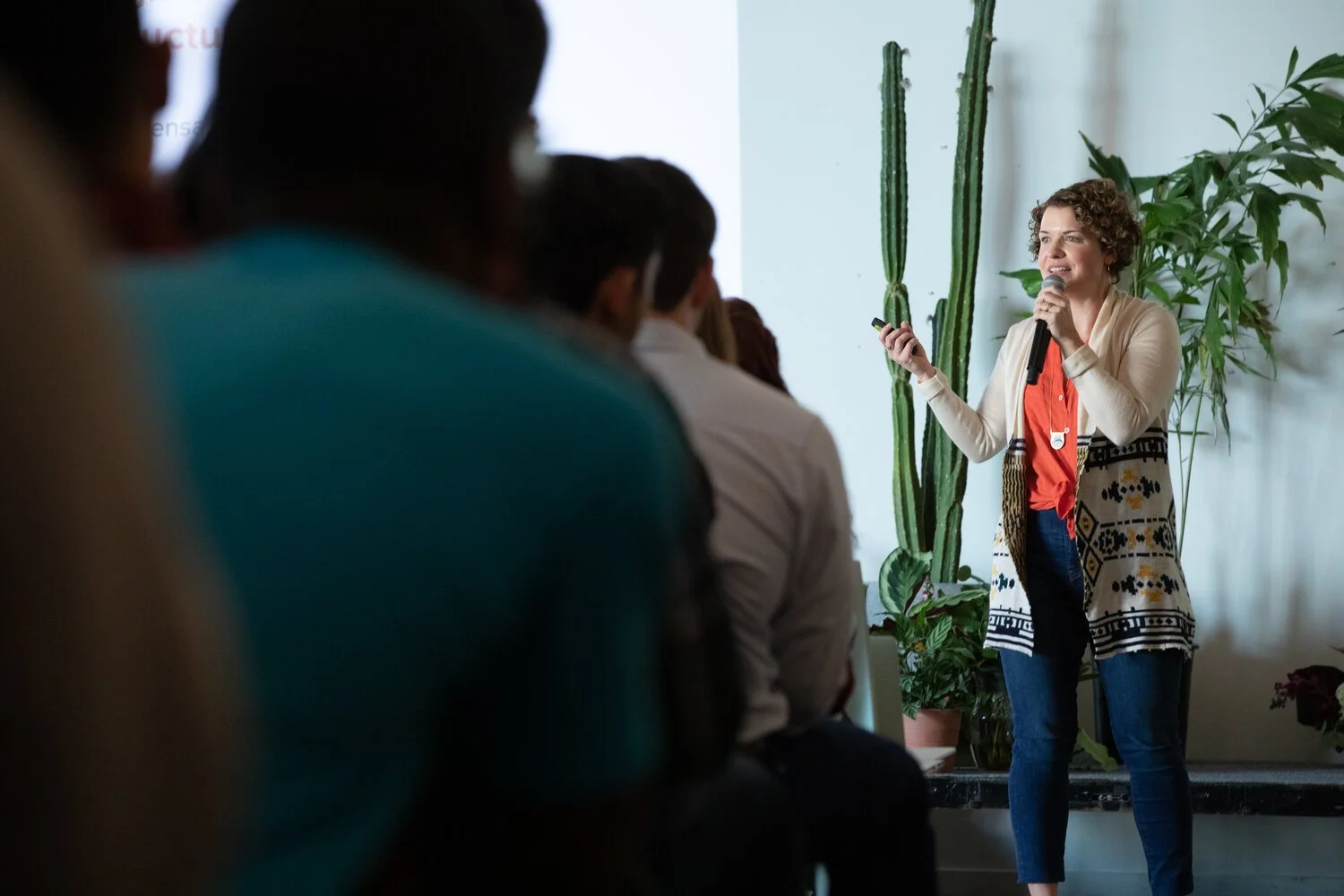
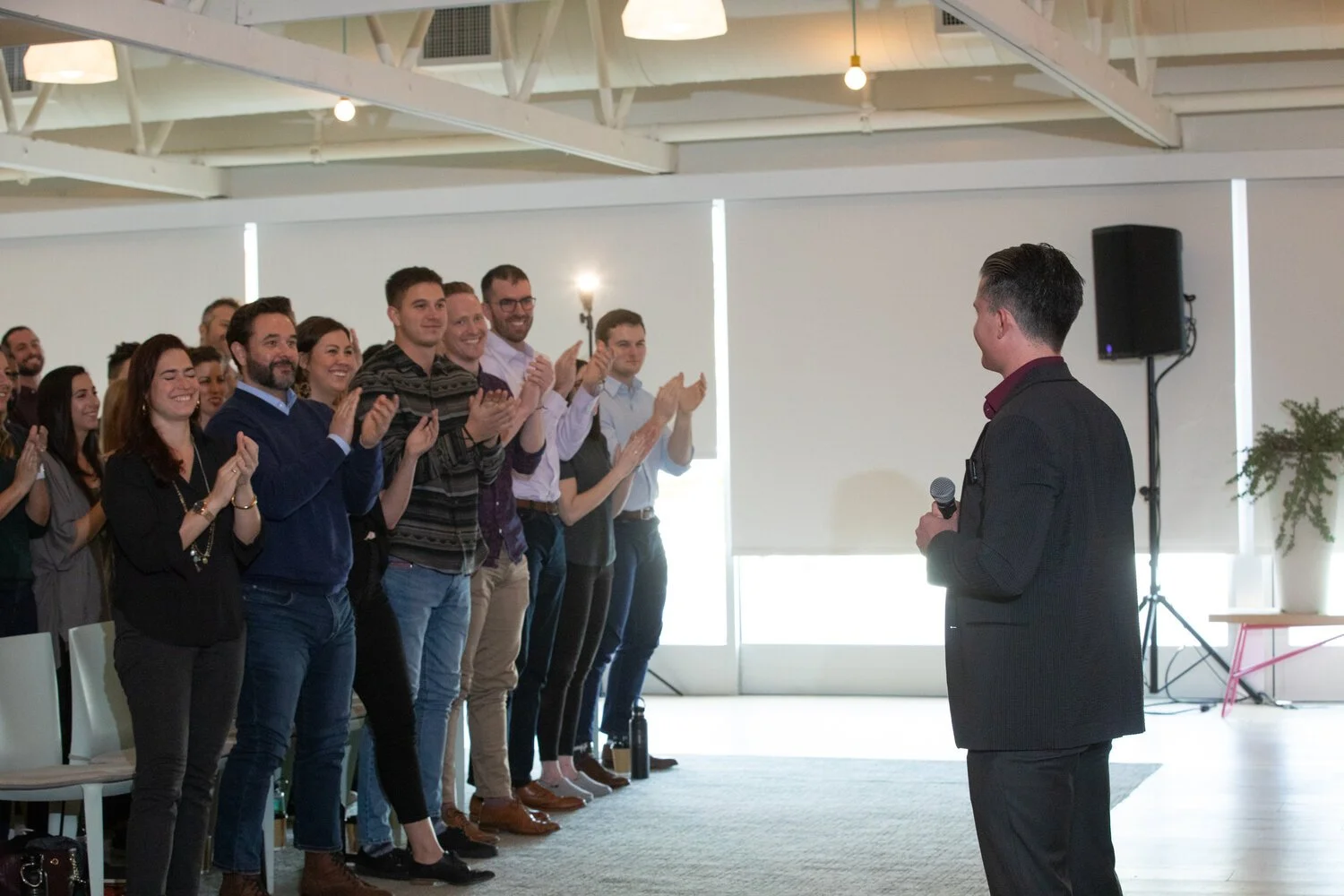
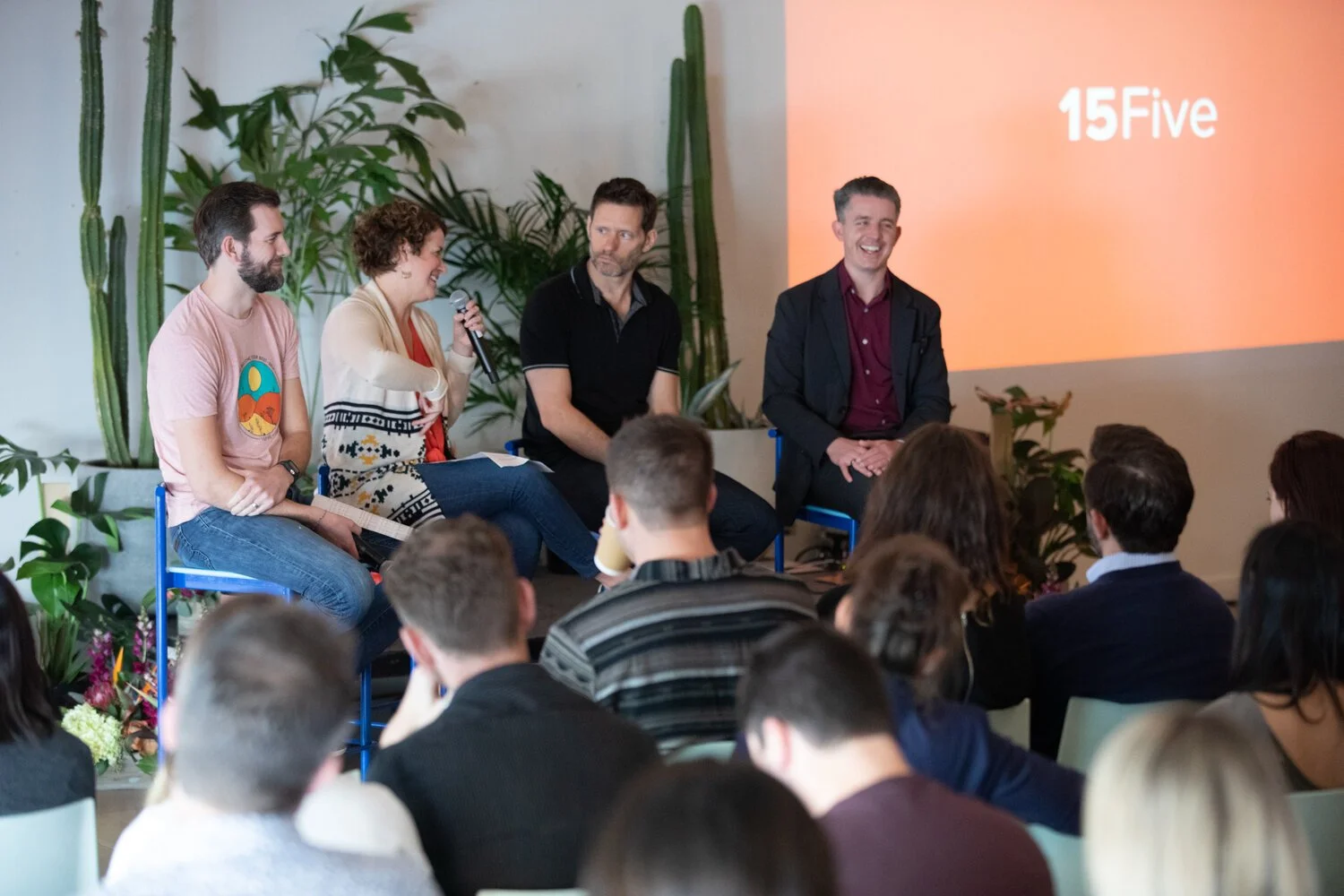
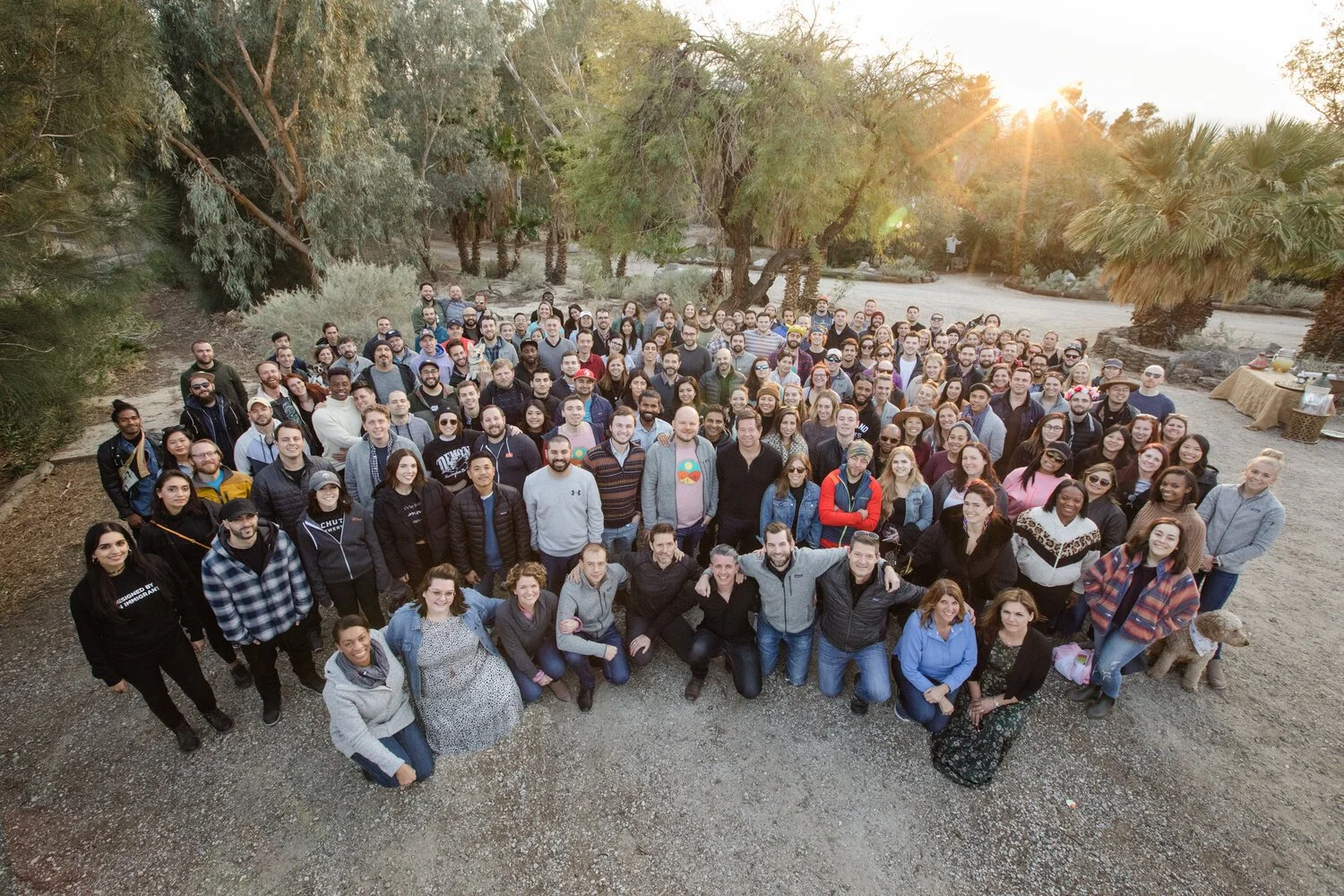
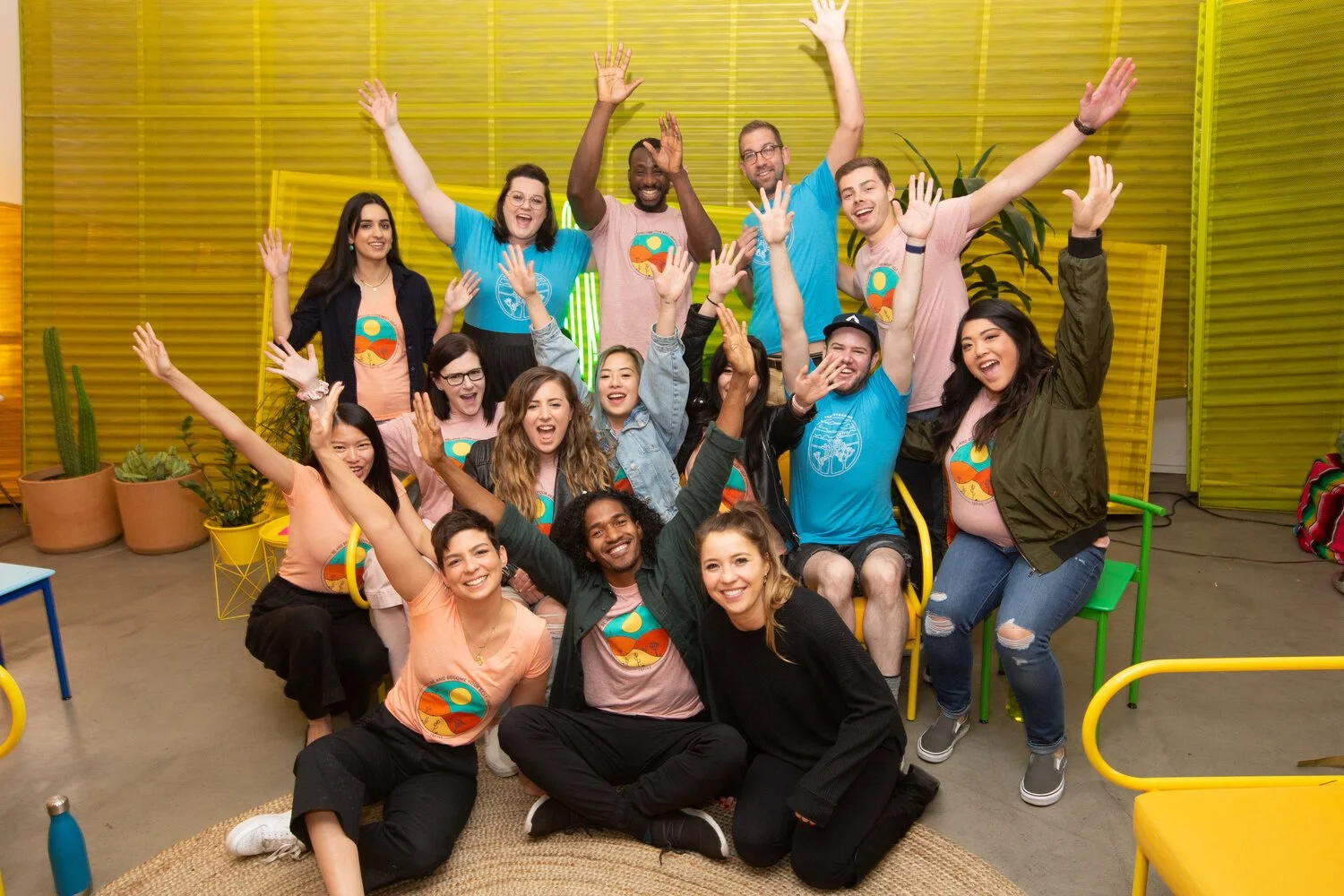
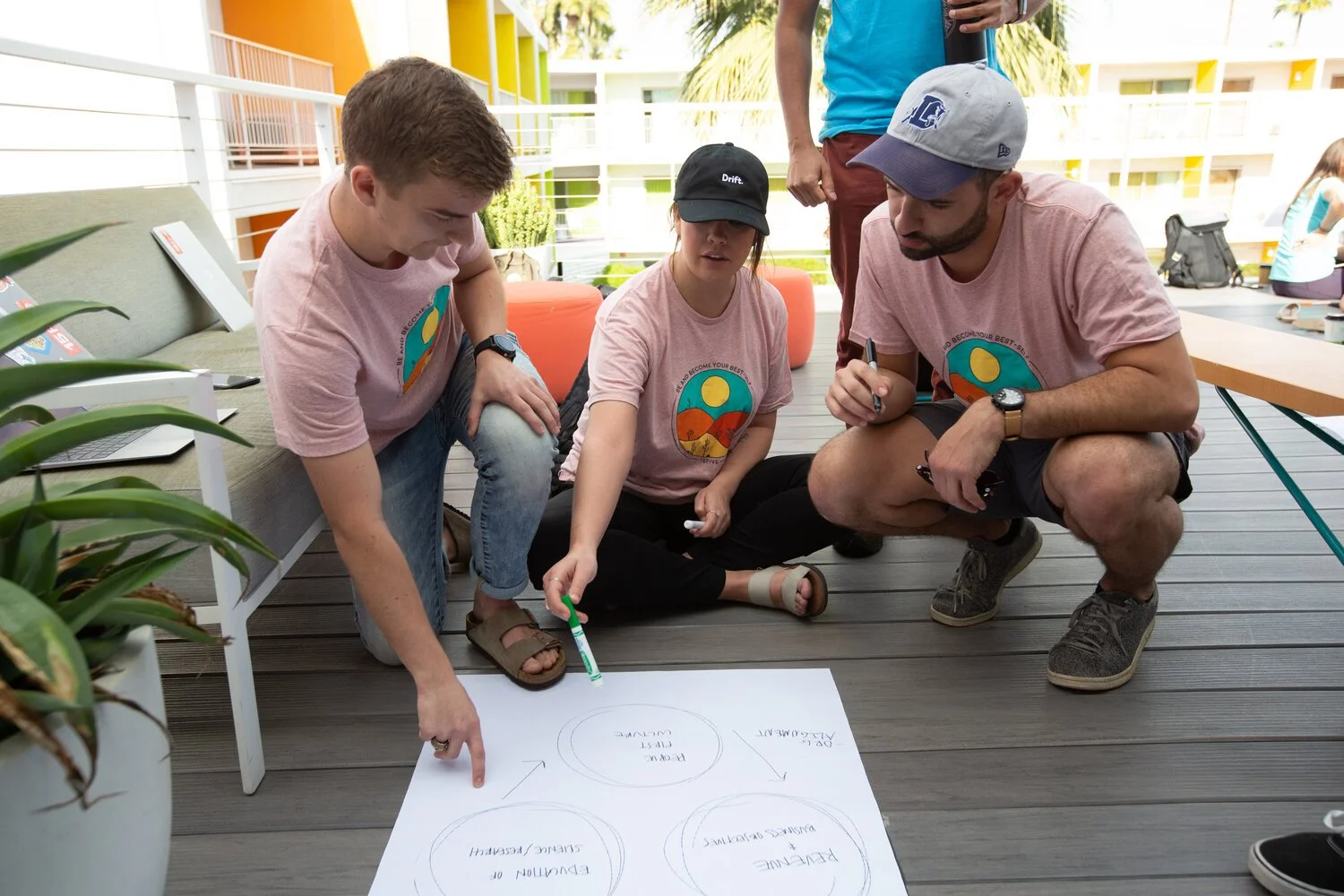
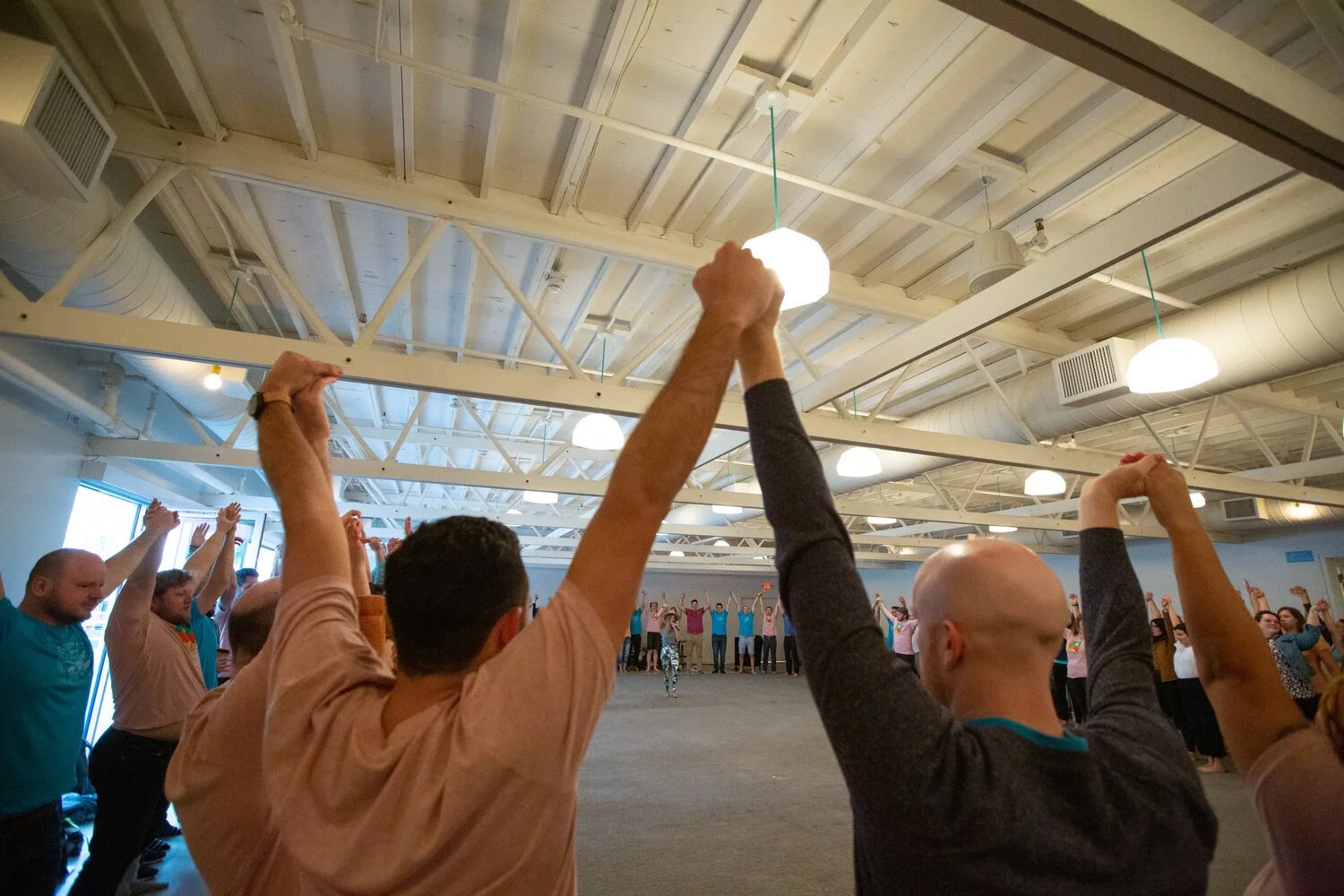
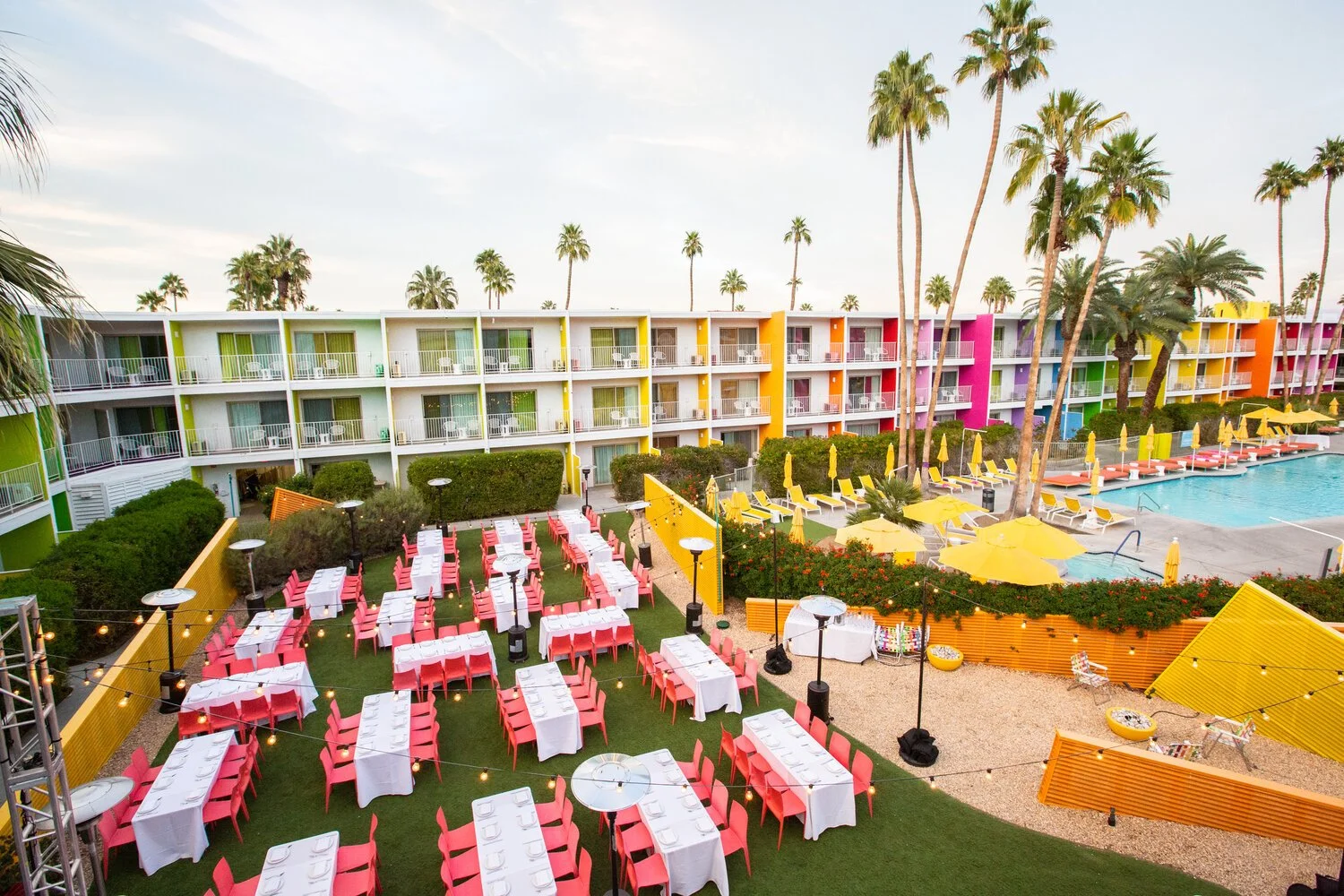
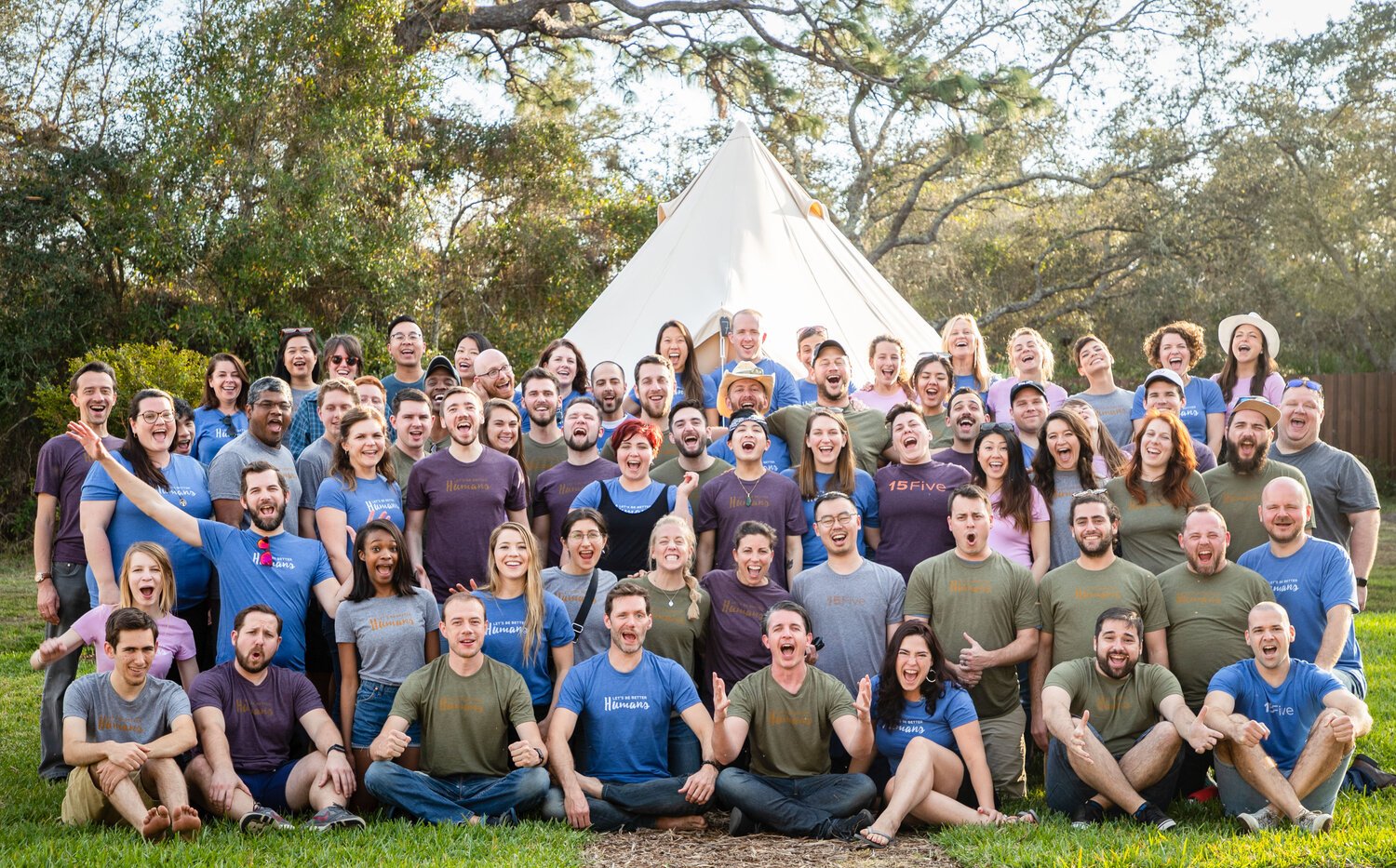
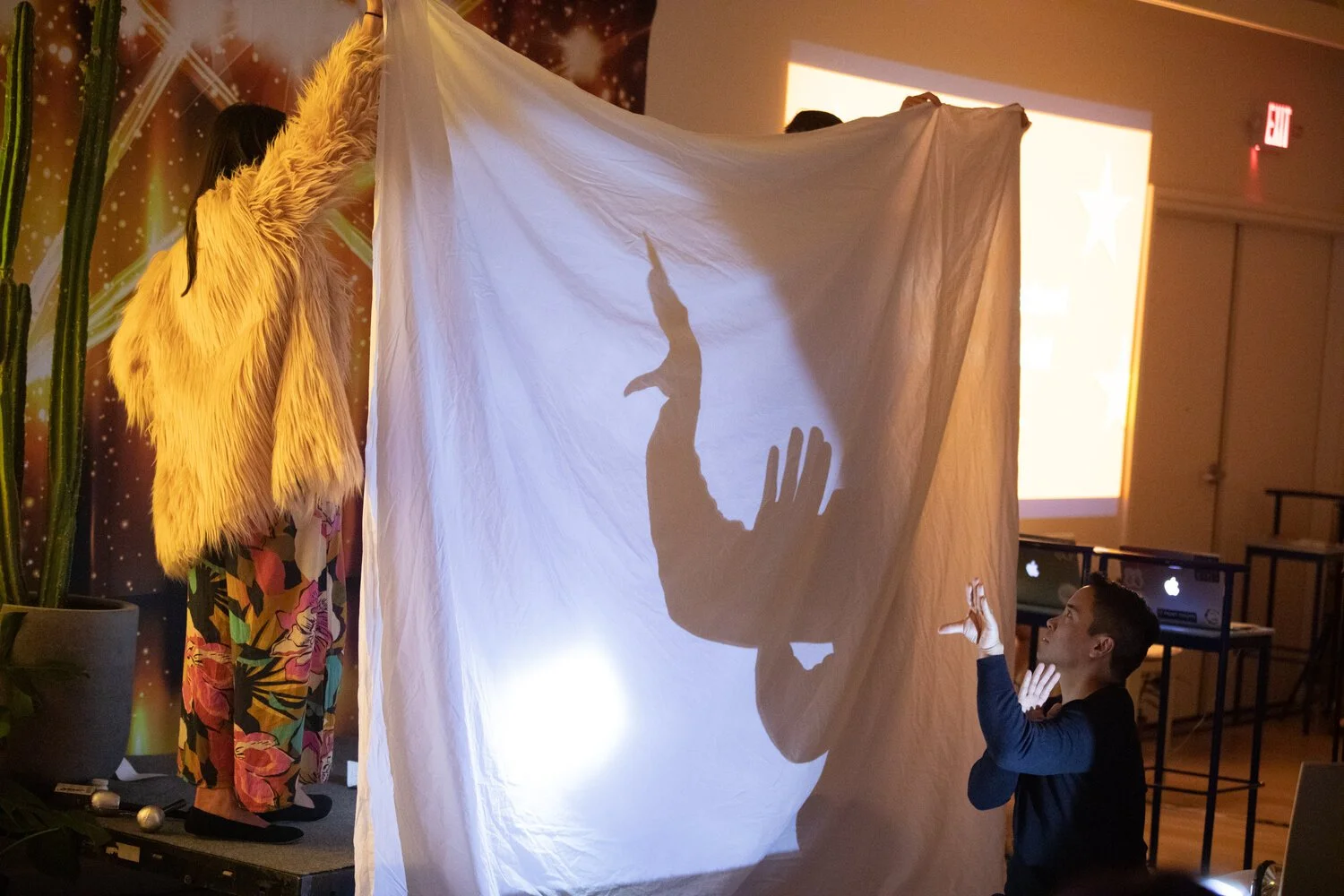
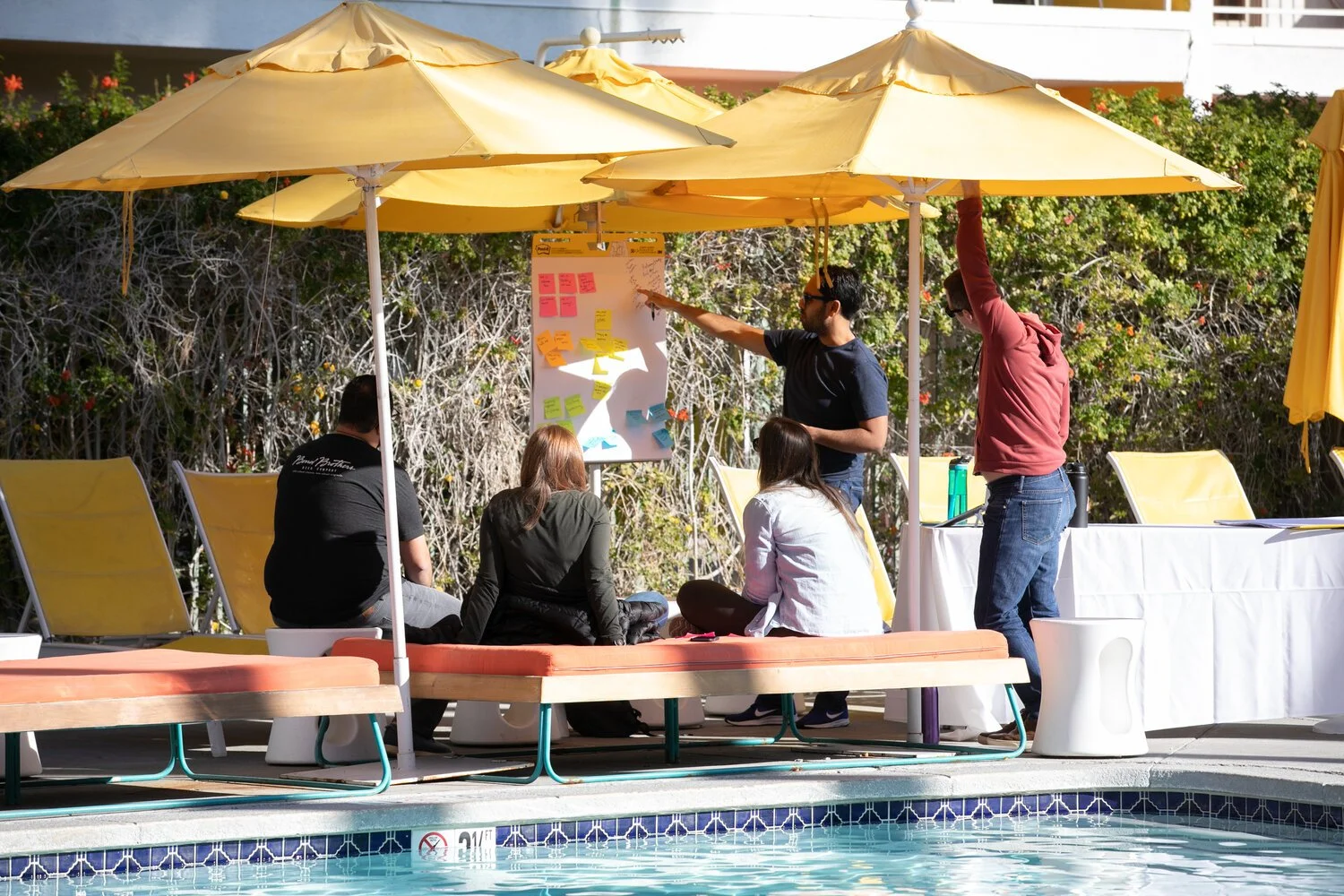
Enter the company-wide retreat (or off-site if you will. The word “retreat” often conjures images of massages and yoga, which yes! They often are a part of the retreat, but mixed in with workshops, and various educational and creative sessions) The concept is nothing new, successful companies such as 15Five, Baremetrics, Zapier, Customer.io, Buffer have been hosting these for years.
Most of us are used to flying to conferences, tradeshows or meeting important clients. 2022 and beyond is predicted to see a massive uptick in corporations hosting company-wide retreats/off-sites.
3-5 DAYS TO
unify your workforce over shared objectives
host trainings (Diversity and Inclusion, communications skills, sales strategies etc)
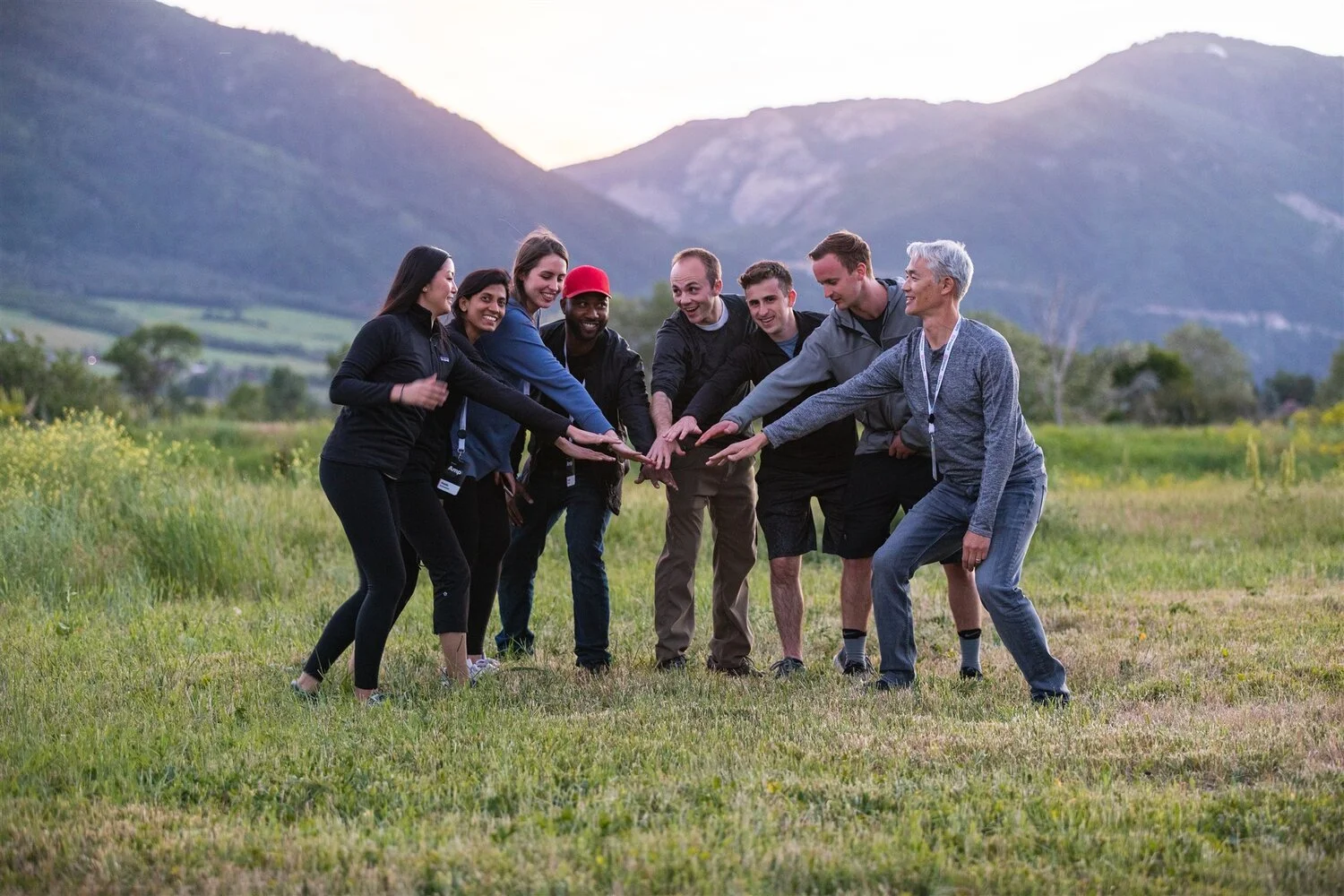
support relationships and trust across teams for more effective collaboration
Host creative/innovation sprints/hackathons
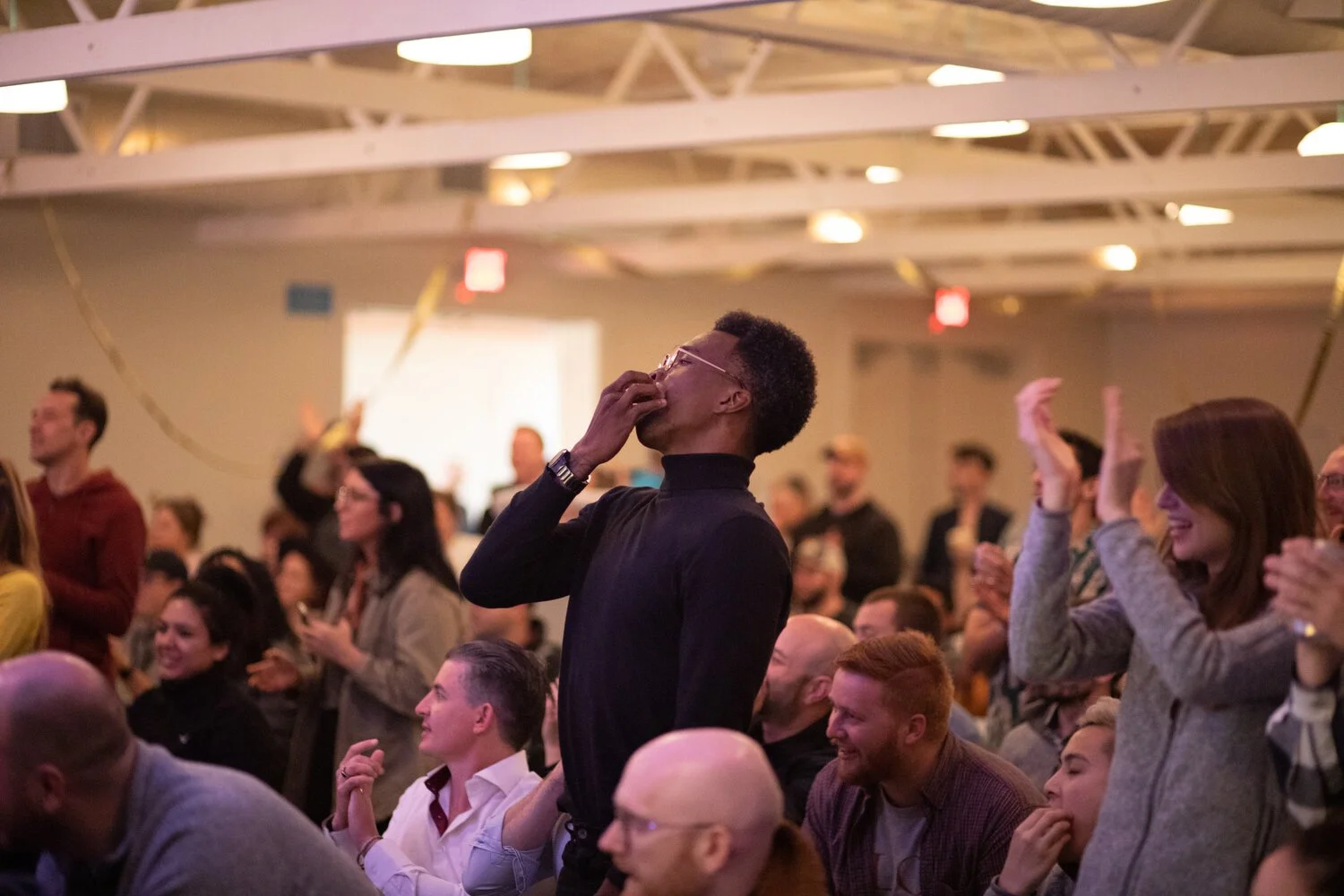
Reward your team
Support culture values
Sharing company results
give thanks and show appreciation
The biggest hurdle we see with employers is the sticker shock. $3.5-$5,000+ per employee for a 5 day retreat?? But here are the numbers;
“A San Francisco employer could save $6,000 per worker, per year by closing their office, even after increasing employee compensation.” - Bloomberg.com (https://www.bloomberg.com/news/articles/2021-02-26/why-remote-workers-spend-more-on-housing-and-rent )
“99% of workers currently working from home would like to continue to do so for the rest of their working lives, if only for part of the time, and 95% say they would recommend remote work to others.” = Vox (https://www.bloomberg.com/news/articles/2021-02-26/why-remote-workers-spend-more-on-housing-and-rent )
“Employee turnover is lower with remote workforces, and people take fewer sick days when they work from home.” - Business.com (https://www.business.com/articles/embrace-future-of-remote-work )
According to a study by Site International Foundation and the Incentive Travel Council, 96% of employees say they are motivated by travel incentives, and 72% who earn the reward say they feel increased loyalty to the company. (https://bishopmccann.com/why-choose-incentive-travel/ )
every time a business replaces a salaried employee, it costs 6 to 9 months’ salary on average. For a manager making $60,000 a year, that's $30,000 to $45,000 in recruiting and training expenses. - peoplekeep (https://www.peoplekeep.com/blog/employee-retention-the-real-cost-of-losing-an-employee )
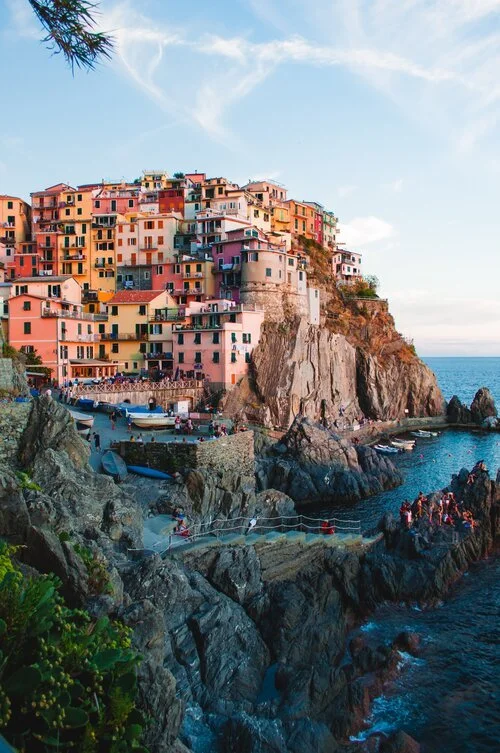
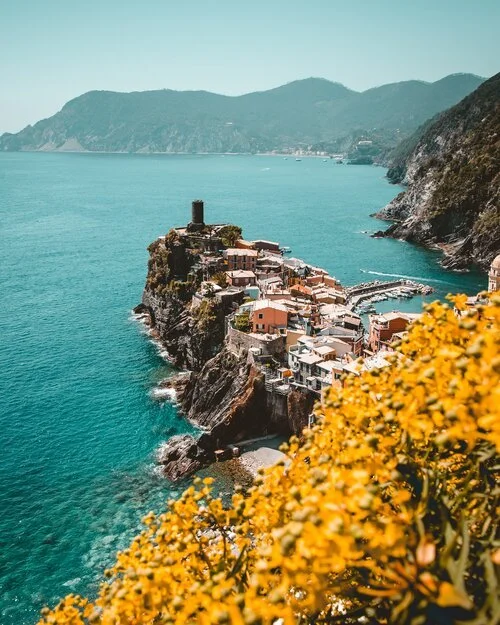
As I write this, our team is ramping up pre-production to host a 300 person company in Italy, spring 2022. IF they hit their goals that is! This retreat doubles as a very compelling incentive to hit company wide goals. In case they do not hit their goals (unlikely with this type of carrot) the retreat will still happen, but in a slightly less desirable destination.




Sign up for our newsletter for alerts to our future posts where we will dive deeper into helping you organize your own company retreat.
Future blogs will include
Pre-planning
How to navigate retreat planning in the era of covid
Venue selection - how to design your RFP so you thank yourself later
Designing your retreat as an incentive
Common mistakes
Experience design for high impact
Legalities
Schedule building
Tips and tricks to maximize your budget